
Single vs King-Size Mattress Cleaning: What Changes?
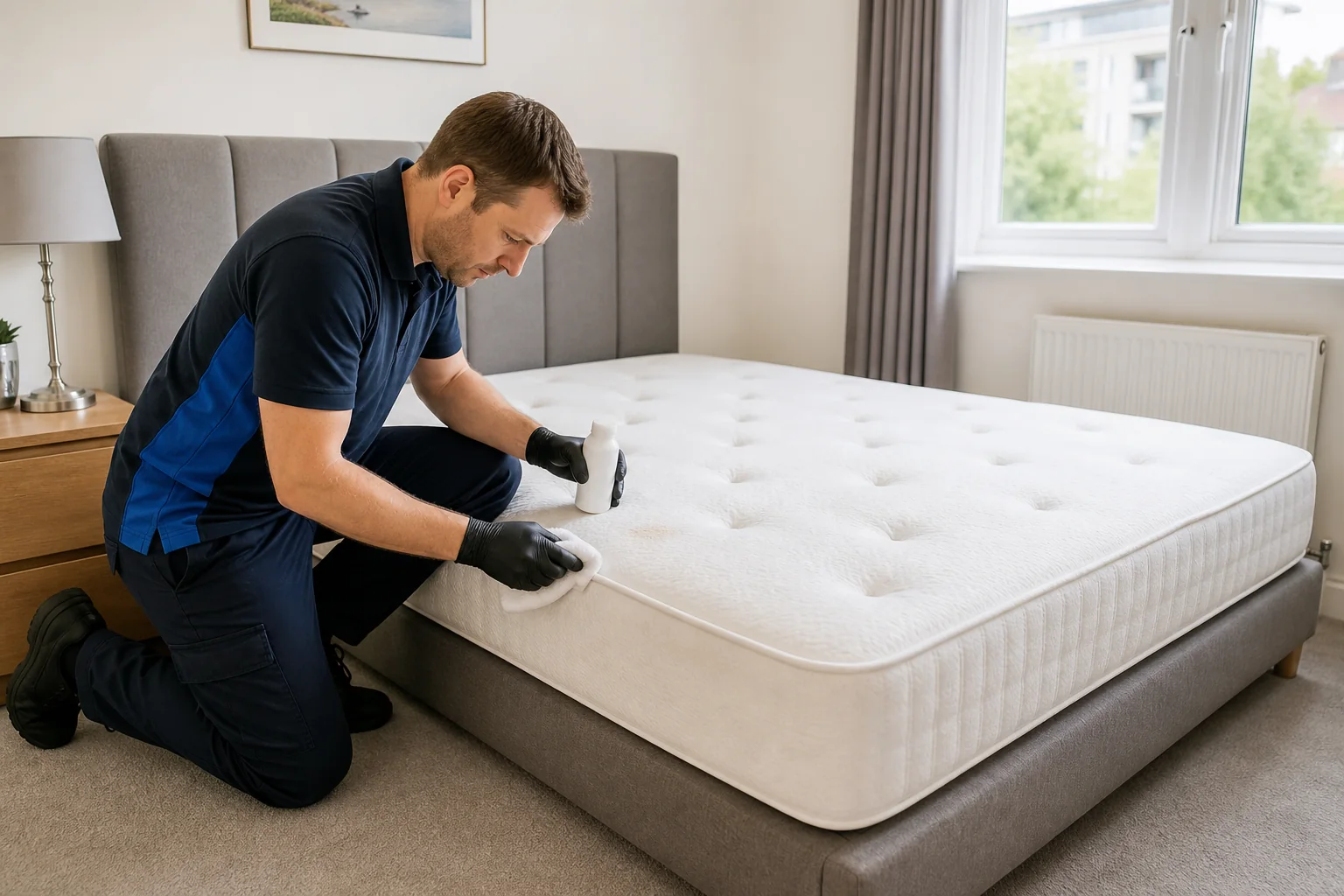
A king-size mattress has more fabric to inspect and clean than a single, but size is not the only difference that matters. Two mattresses of different sizes may share the same cover and layers; two king-size models may have entirely different foam, quilting and care instructions. The quotation should reflect the size, construction, condition, surfaces included and safe access, rather than treat every bed of one label as identical.
When contacting a cleaner, give the actual dimensions if the bed is unusual. UK single, double, king and super king are useful starting categories, but imported or bespoke sizes can differ. Say whether the mattress is one-sided, can be turned, has a removable cover, and sits on slats, a solid platform or an upholstered base. These details affect handling and drying.
Surface area affects the work
A larger sleeping face takes more time for inspection, dry soil removal and controlled treatment. Its seams and borders are longer, and there may be more marks spread across different sleeping positions. A single bed in a child's room may have one concentrated spill; a king-size bed can show two distinct contact areas. A technician should inspect each area rather than assume uniform soil across the whole mattress.
Ask which faces and sides the price includes. Cleaning the accessible top only is different from treating both faces where the maker permits it. A topper, protector, headboard and base are separate items. The mattress cleaning service can describe scope, and the price guide gives published starting prices. Clarifying scope makes a size comparison meaningful.
Handling a larger mattress safely
A king-size mattress can be heavy and awkward to move in a small room. Some flexible models should not be bent, and some one-sided models should not be flipped. The cleaner may need access around the bed to work on borders or position cushions and equipment. Do not move a large mattress alone to prepare for the visit. Tell the company about a narrow room, steep stairs or an adjustable bed frame when booking.
A single mattress may be easier to position for airflow, but that is not guaranteed. A dense foam single can be heavier than expected, and a weak seam can make handling risky. The maker's instructions and the actual room still govern the plan. The guide to preparing a mattress for cleaning sets out the labels and spill history worth gathering.
Construction matters more than dimensions
Foam, spring and hybrid models hold and release moisture differently. A thick king-size foam mattress and a thin sprung single cannot be assigned the same drying expectation simply by multiplying surface area. The ticking, quilting, seams and base airflow all matter. The construction guide explains why an apparently dry top may not show the state of a deeper layer.
If a spill has passed through a cover into foam, the issue is not ordinary area pricing. A routine surface clean cannot verify the whole core. Describe the amount and type of liquid so the cleaner can say whether a treatment is suitable at all. A broad yellow mark that has permanently changed the ticking is another limitation: a larger machine pass cannot restore lost colour.
Drying a wider surface
More treated area may need more room ventilation and a longer period before bedding returns, but a fixed rule based solely on mattress size is unreliable. Ask how much moisture the method introduces, how it is recovered and which parts should be checked. A king-size mattress pressed against a solid headboard or surrounded by tight furniture may have less airflow at its edges than a single in an open room.
Keep waterproof protectors, toppers and sheets off until the technician's guidance is met. Check seams, sides and accessible underside. If the base was wet after a spill, it needs a separate plan; a damp support can rewet a cleaned mattress. Avoid intense heat directly against the ticking or foam.
Compare quotes with useful questions
Ask whether the company prices by size, condition, number of treated faces or a combination. Ask what happens if the on-site inspection finds unstable fabric or a deep spill. A careful answer may change the scope or advise against treatment. That is more useful than comparing two headline figures without knowing what they include.
Send the model, label and photographs through the contact page. Describe access and where the visible marks are. After cleaning, judge the dry result in comparable light and record any returning tide mark. The practical difference between single and king-size work is greater area and sometimes harder handling; the decisive cleaning limits still come from the specific mattress and its history.
A size comparison can hide the real work
A king-size mattress in a spacious room with light surface soil may be straightforward to access. A single mattress tightly fitted into a cabin bed, with a deep drink spill against the wall, can require more planning and may not be a suitable routine cleaning job. Quote requests should include a room photograph and the mark's position, not just “single” or “king”. The cleaner can then explain what equipment can reach and whether the mattress can dry in place. If a bunk or cabin bed involves unsafe lifting, do not improvise access on the appointment day.
Check the base and bedding separately
Larger beds often have split bases, multiple protectors or two toppers. An accident on one side can affect a seam between them. Confirm which items are being cleaned and which you will launder or dry yourself. A king-size fitted sheet replaced over one damp corner still restricts drying there. Inspect the affected section and its support before making the entire bed. A smaller mattress may be easier to lift, but its pad or base can still hold liquid.
For a king-size bed shared by two people, soil may concentrate in two zones with a cleaner strip between them. A broad even clean may be preferable to treating only one dark patch, if the cover permits it. On a single mattress, one spill may cover much of the sleeping area, but its depth still matters more than its apparent percentage of surface. Ask the cleaner to explain whether the proposed scope is spot treatment, one face or both permissible faces. That distinction helps compare prices and drying needs fairly across sizes.