
Nylon, Polyester and Polypropylene Carpet: Key Care Differences
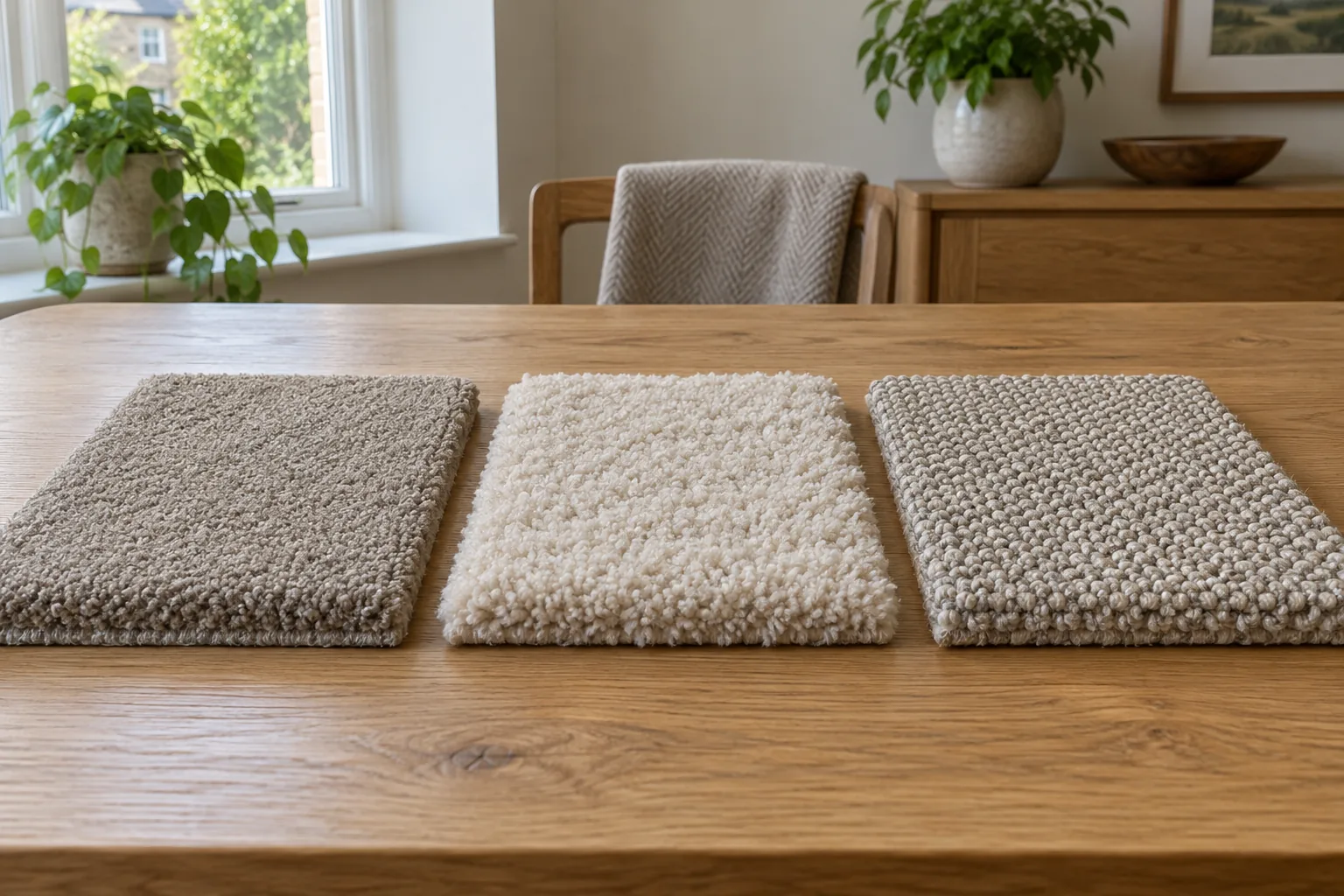
“Synthetic carpet” is a useful broad description, but it does not tell you everything about how a fitted floor will look after months of traffic or how it should be cleaned. Nylon, polyester and polypropylene are three common face fibres. The carpet’s pile shape, density, dye method, backing and use also matter. A durable nylon carpet can still stain; a stain-resistant polyester carpet can still hold oily soil; a polypropylene loop can still be damaged by poor handling.
The practical starting point is to identify the exact product if possible, then plan maintenance around both the fibre and the construction. A label or purchase record is more reliable than guessing from softness, shine or colour. If the details are missing, a cleaner can inspect and test before choosing a method.
Nylon: resilience with product-specific stain protection
Nylon is valued for resilience and abrasion resistance, which can help a suitable carpet retain texture in busy areas. That does not make every nylon installation equally robust. A loose plush construction and a dense loop construction will behave differently under the same footwear and furniture. The underlay and fitting also influence how the carpet wears. Look at the whole product, not only the word “nylon” on a label.
Nylon is not automatically immune to household stains. Many nylon carpets use stain-resistant treatments or particular dyeing processes, and those details affect how a spill responds. Ask the retailer or manufacturer for the care instructions and any warranty conditions. Do not assume a strong cleaner is safe because the fibre is synthetic. Colour and protective treatments still need appropriate testing.
Vacuum a nylon carpet regularly with a head suited to its pile style. Remove dry grit before it is ground into the traffic route. If you notice a dark band near an entrance, it may contain both removable soil and permanent texture change from use. A professional can explain the likely balance before promising an even finish. For spills, blot promptly with a clean white cloth and follow the product’s own guidance.
Polyester: appearance and oily soil are separate questions
Polyester carpets are often chosen for softness and colour. Manufacturer Shaw describes polyester as naturally resistant to many stains and fading, while noting that it offers different texture retention from nylon. That comparison is broad: newer high-performance products and dense constructions may behave better than a generic fibre ranking suggests. Check the actual product specification if you are comparing carpets for a busy hallway.
The useful maintenance distinction is between a liquid stain and attached oily soil. Polyester may resist some water-based staining yet attract oils from footwear, cooking areas or body contact. The Carpet and Rug Institute describes polyester as an oleophilic fibre and notes that oily soil can accumulate and discolour traffic areas over time. A pale polyester carpet can therefore look dull even when no single obvious spill occurred.
Frequent dry-soil removal and prompt attention to oily deposits are more sensible than waiting for a broad dark route to develop. Avoid household washing-up liquid as an all-purpose solution: residues can hold further soil if not removed properly, and rubbing can disturb the pile. A professional can assess whether pretreatment for oily soil is appropriate, with realistic limits where oxidation or wear has changed the appearance.
Polypropylene: stain resistance does not mean soil resistance
For a polypropylene loop that has already caught on furniture or footwear, the loop-pile snag guide covers how to avoid turning a small catch into a longer run.
Polypropylene is also called olefin. It is commonly used in loop-pile products and is valued for resistance to certain stains and fading. Shaw’s fibre comparison places it below nylon for texture retention and soil resistance, despite good stain resistance. That apparent contradiction makes sense when you separate the causes: a dye may resist a drink while oily dirt still clings to the yarn, and a loop may flatten under repeated pressure.
On a polypropylene carpet, look closely at busy routes and cooking-adjacent rooms. Attached oils may need a suitable professional process, but an old flattened lane may remain visible after soil removal. Treat a “stain-resistant” claim as a description of particular product performance, not a promise that every mark can be removed. Product warranties often include conditions about maintenance and excluded substances.
Loop-pile construction also changes vacuum choice. A sharp edge or aggressive brush can catch a loop. Follow the manufacturer’s recommendation for vacuum head and setting, and inspect the carpet for snags before professional agitation. If a loop is pulled, protect it from another catch and seek advice rather than tugging it back into place.
What all three fibres still have in common
The backing and underlay are part of the cleaning decision for all three. A synthetic face may sit above a natural, latex-bonded or otherwise moisture-sensitive backing. A recent leak, open seam or loose edge deserves inspection regardless of the surface fibre. Likewise, stains may include dye, acids, bleach or other substances that change colour instead of sitting as removable soil on the yarn.
Each carpet needs sensible vacuuming, spill response and periodic assessment of busy zones. The Carpet and Rug Institute advises considering fibre, construction, cushion and room use together when choosing carpet. The same combined view helps with care: a bedroom and an entrance corridor need different maintenance even if both carpets share the same face fibre.
If you know the manufacturer, retain its care guide. If you do not, give a cleaner photographs of the whole room, close-ups of the pile and any label or sample. Mention products already used on stains. Our carpet cleaning service can then be discussed against the material and condition actually present, rather than a one-size-fits-all claim about synthetics.
A simple decision before buying another product
When a mark appears, ask whether it is a fresh spill, gradually accumulated soil or a texture change. For a fresh liquid, blot without rubbing and follow the carpet manufacturer’s instructions. For a broad traffic lane, note whether the pile is lower or shinier than a protected section. For a small oily spot, avoid spreading it by scrubbing or pouring solvent onto the backing. A professional assessment is more useful if you can describe what happened and when.
Be cautious with online fibre tests involving flames or chemicals. They can damage a fitted carpet and create a safety risk. A label, sample or professional inspection is preferable. If the carpet is a blend, the least tolerant component may govern the cleaning choice. A manufacturer’s stain warranty may also depend on using specified products and procedures, so read its actual terms before experimenting.
The distinction among nylon, polyester and polypropylene is a guide to likely behaviour, not a fixed ranking of every carpet. Nylon often offers strong resilience; polyester offers softness and particular stain resistance but can hold oil; polypropylene resists many stains yet may have weaker texture retention in heavy use. Construction, backing, dyeing and maintenance determine how those broad traits appear in your own room.