
How Landlords Can Specify Fabric Cleaning Clearly
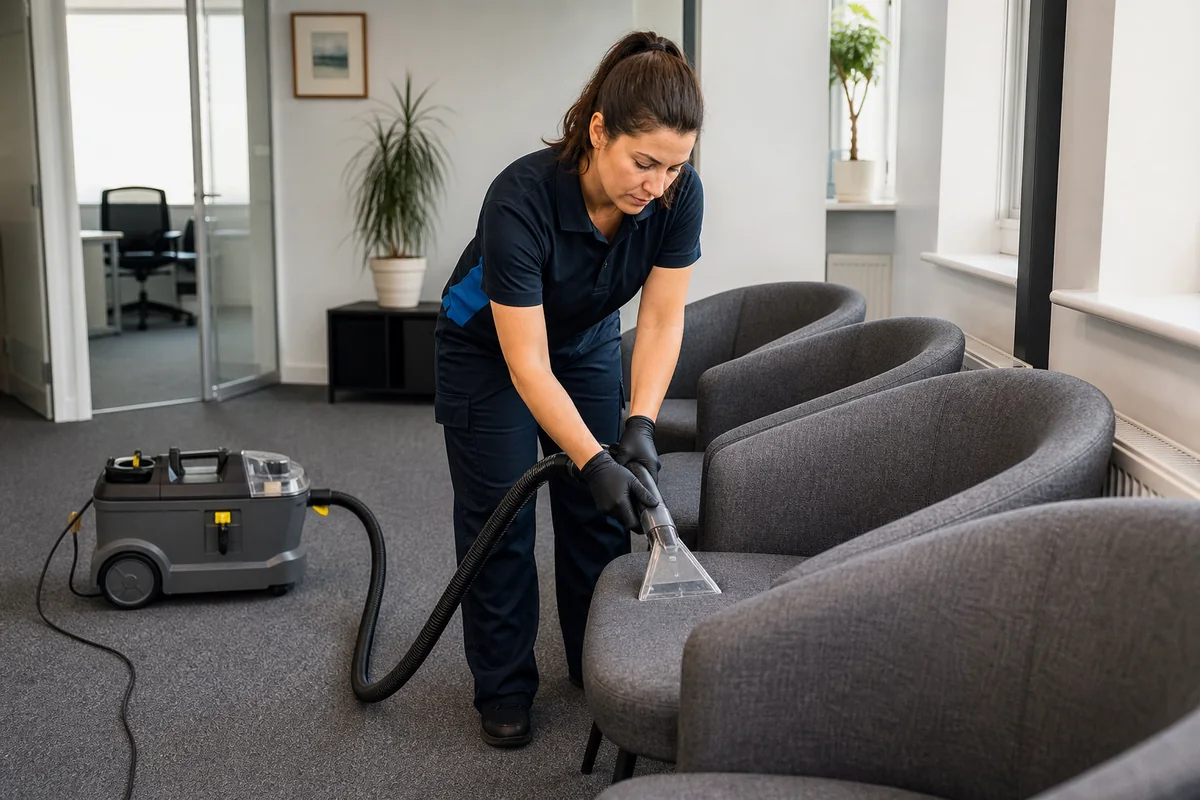
A request for “professional fabric cleaning” is too vague to produce a reliable quote or a fair check-out record. A furnished rental may contain fitted carpet, loose rugs, a sofa, dining chairs, curtains, mattresses and upholstered headboards. Each has different construction and cleaning limits. Landlords and agents can specify the work clearly by listing the items, recording their starting condition and describing the result sought. The specification should ask for suitable cleaning of identified materials, not a guarantee that old wear or every stain will disappear.
Build an inventory of textiles, not a single instruction
Start with the property inventory and walk through the rooms. Record the size and location of each fitted carpet, the number of stair treads, every loose rug and the seats or sections of each sofa. Note whether dining chairs have fabric seats and backs, whether cushions are removable, and whether mattress protectors are separate from the mattress. A quote based on “one lounge” can miss a large rug laid over carpet or a set of six chairs. Photographs help communicate quantities, but measurements and descriptions prevent avoidable assumptions.
Include the care labels and known fibres when available. A wool rug, velvet sofa and synthetic carpet cannot be treated as one generic fabric package. Record loose seams, worn pile, sun fading, old colour changes and any previous cleaning. Those conditions may limit the method or the visible result. If a cleaner finds an unstable dye or failing backing, the written scope should allow a pause and a discussion rather than push the technician to complete a risky process because the original instruction said “clean everything”.
Separate cleanliness from condition
The starting inventory should describe both cleanliness and existing wear. The Tenancy Deposit Scheme’s guide to inventories explains why detailed check-in and check-out records matter and why fair wear and tear must be considered. A carpet can be clean but flattened along a traffic route; a sofa can be free of removable soil but faded at the window side. Asking a cleaner to make these “like new” confuses cleaning with repair or replacement. A clearer instruction identifies the soil or mark to address and asks for a note of what remains after treatment.
Do not make professional cleaning an automatic answer to every change in appearance. A routine maintenance clean may be worthwhile, but an old burn, bleach spot or broken zipper requires a different decision. Conversely, visibly greasy sofa arms or a carpet with tracked-in soil can justify cleaning even if the material is worn. A precise specification allows those conditions to be considered separately. It also makes later discussions with tenants more factual and less dependent on broad adjectives such as “poor” or “dirty”.
State the intended scope and exclusions
For each item, identify whether you want a full clean, a focused stain attempt, odour assessment or inspection only. Say whether upholstery cushions should be cleaned on both sides and whether a mattress, protector or topper is included. Confirm whether loose rugs are to be cleaned in place or assessed for specialist handling. Do not assume a provider offers workshop rug treatment or can wet clean every mattress. Ask the cleaner to explain the method, drying arrangements and any services outside its scope. The written quote should match the list, including access and parking.
Our carpet cleaning, upholstery cleaning and rug cleaning pages describe the individual services. The price guide offers starting figures, but an itemised property quote should reflect the actual quantities, fabric and condition. A landlord can send the inventory list and ask what is included for each line. If a technician recommends leaving a fragile item untreated, record that advice and decide separately whether a repair or replacement is appropriate.
Plan access and drying in a furnished property
Specify what furniture remains, which rooms are accessible and who can move small items. Do not ask a cleaner to lift heavy beds or wardrobes without prior agreement and suitable help. Confirm keys, lift, stairs, loading and utilities. A flat with restricted parking may require different equipment or timing from a ground-floor house. If cleaning follows a tenancy, schedule it after moving and dusty repairs but before the next occupant needs the rooms. Leave space to stand damp sofa cushions and keep a mattress uncovered until dry.
The drying plan should name who will ventilate the property, return to close windows if needed and check each item before furniture or bedding is replaced. A single promise that “everything dries in four hours” is not suitable for mixed carpet, rug, foam and upholstery. The cleaner should give item-specific guidance based on the chosen methods and the conditions on the day. Our guide to ventilation and fabric drying describes why room conditions matter.
Record the result without overstating it
Ask for an invoice that lists the items treated and any agreed exclusions. Keep before photographs, the original inventory and dry after photographs in similar light. The cleaning receipt shows what service took place; it does not prove that every mark was removable or that an older item has been restored to new condition. If the cleaner documents a pre-existing stain, damaged backing or colour instability, retain that note with the condition record. It may be relevant at the next check-in as well as at the current handover.
If a tenant or managing agent will arrange the appointment, share the same itemised specification with them rather than giving different verbal instructions to each party. Name one person who can approve changes in scope if the technician finds a problem. A clear, modest request is easier to quote, carry out and verify than an open-ended order to “deep clean all fabrics”. It protects the materials, gives the cleaner room to exercise judgement and leaves a record that describes the property as it actually is.
Where the furnishings are supplied by different owners, note that too. A tenant-owned rug should not be added to a landlord’s cleaning order by mistake, and a landlord’s sofa may have care instructions the tenant has never seen. Confirm consent and access for each item before the visit. If the specification is being used for an end-of-tenancy comparison, preserve the original photographs rather than replacing them with flattering new ones. The strongest record shows the same item over time and describes changes in plain, consistent language.