
A Practical Carpet Care Plan for Busy Households
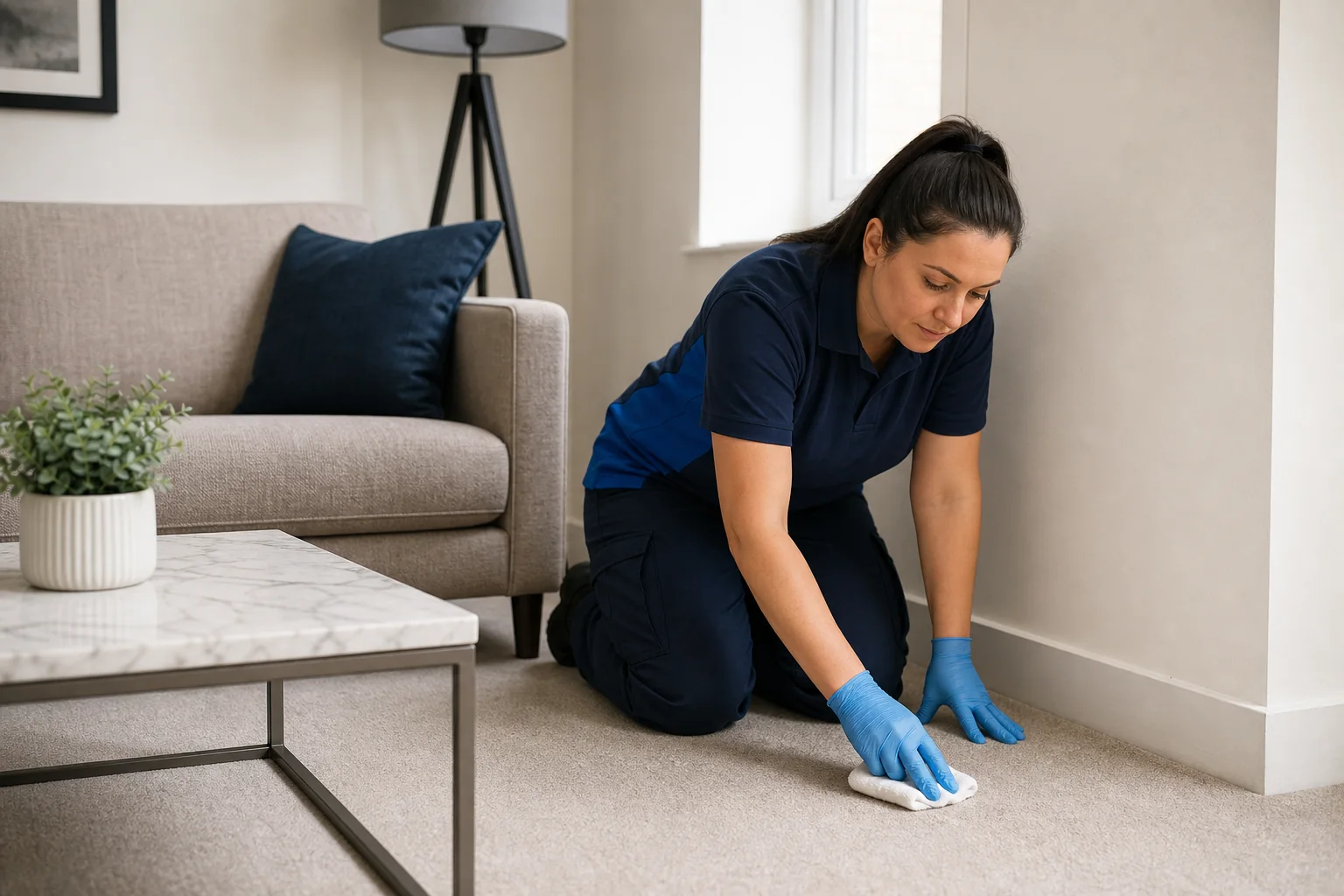
Direct answer: A busy household needs a carpet routine that concentrates on soil entry and the routes people actually use. Keep entrance mats clean, vacuum high-traffic areas regularly, respond gently to spills and review condition before arranging professional cleaning. The plan should change with the household rather than follow one fixed rule.
Map the busiest routes
Walk through the home as people normally use it. The line from the entrance to the kitchen, the first few stairs, the space beside the sofa and the route to a child's room may carry most of the grit. A spare room can stay relatively clean while the hallway darkens. Marking these differences avoids spending the same effort on every square metre. It also helps identify a dark path that is partly pile wear rather than only soil. A weekly glance at colour and texture is enough to guide the routine without turning carpet care into a full-time task.
Take a photograph of a busy route in steady light when you begin the plan. Repeat it from the same viewpoint after several weeks. A carpet can look darker from one direction because of pile orientation, so compare texture too. If the route is lower and rougher than a sheltered patch, professional cleaning may improve its soil while leaving wear visible. Understanding that limit keeps the family from scrubbing the same path repeatedly with household products.
Make the entrance do some of the work
A stable scraper mat outside and an absorbent mat inside can catch some grit and dampness before it reaches fitted carpet. The mat needs enough usable length to catch footsteps and must not curl or slip. Clean it regularly; a loaded mat can return soil to shoes. Provide a practical place for wet boots, umbrellas and pet items so water is not left on the carpet. If a mat covers carpet, lift it periodically to check for trapped dampness and allow it to dry when needed.
The household's habits matter more than an idealised product list. If shoes are usually removed at the door, make that easy. If visitors keep them on, maintain the first carpet route accordingly. A mat that no one steps on will not protect the hall. The guide to entrance mats explains how to review placement and maintenance. Prevention works best when it fits the way the home is genuinely used.
Build a short vacuum routine
Vacuum high-traffic routes at a frequency that removes grit before repeated steps press it deeper. A brief hallway pass may be more valuable than a slow whole-house clean that happens too rarely. Use the carpet maker's recommended head and setting; a catching brush can damage loops or a weak seam. Maintain the vacuum's bag or container and filters so suction remains effective. Slow overlapping passes are more useful than forceful scraping with a poorly performing machine.
Adjust for changes. School holidays, pets, rainy weather and visitors can increase soil in a few days. A quiet bedroom may need less attention than the stair turn. WoolSafe's maintenance guidance distinguishes regularly trafficked areas from minimally used areas, and the Carpet and Rug Institute includes routine vacuuming in a broader maintenance system. Neither gives a single household number that fits every carpet. The test is whether loose grit accumulates before the next planned session.
Prepare for ordinary spills
Keep plain white absorbent cloths or kitchen roll in a known place. For a fresh liquid spill, make the area safe and blot from the outer edge inward without rubbing. Lift solids carefully rather than grinding them into yarn. Do not pour a large amount of water onto an unknown fibre or combine household products. A drink, mud, grease and wax require different responses; a large leak requires a restoration assessment if layers beneath the carpet may be wet. Record what happened and which product, if any, was applied.
In a shared home, tell everyone when a patch is drying so another person does not step through it or add a second cleaner. Photograph a persistent mark in normal light. The spill first-response guide can help with the initial decision. If the carpet is delicate, the substance is strongly coloured or a smell remains, a professional assessment may be safer than a succession of DIY experiments.
Watch for repair and moisture issues
During vacuuming, check for loose stair edges, ripples, snags and seams that catch. Cleaning cannot refit a carpet; a fitter may need to make the area safe first. A patch that remains damp or begins to smell musty should prompt a search for a leak or affected underlay. Do not use a routine carpet clean to conceal an active water source. A dry-feeling face pile does not prove the cushion or subfloor is dry after a significant spill.
Furniture can conceal its own issues. A heavy leg may compress pile or transfer finish if replaced too soon after cleaning. Move lightweight items safely when practical, but do not strain to lift a sofa or bookcase just to vacuum beneath it. Agree furniture access with a cleaner before a professional visit and record areas that will remain covered. A protected patch may have a different colour from the surrounding worn carpet even after a good clean.
Schedule professional work by need
Look for attached soil, a dull traffic path that vacuuming no longer improves, or an old stain requiring assessment. The interval can differ between rooms. Tell the company about fibre if known, earlier products, access and drying constraints. Ask what can improve and what is wear or colour loss. The carpet cleaning service can scope priority rooms; the price guide gives starting information. A fixed annual date can be a reminder, but condition should guide the final decision.
After the visit, follow ventilation and furniture advice and judge the result once dry. Keep a short note of the method, date and any issues for the next time. A simple maintenance plan succeeds when it is repeatable: stop some soil at the door, remove dry grit from the busiest routes, deal gently with spills and ask for help when the problem exceeds ordinary care. That approach protects the carpet without expecting every family member to become a cleaning specialist.
Share the plan in practical terms with everyone who uses the rooms. A child can know to tell an adult about a spill, while adults can keep wet shoes and heavy furniture off a freshly cleaned carpet until it is ready. Assigning one person to check the entrance mat and vacuum condition prevents those small tasks from being forgotten. The plan should remain flexible: an illness, new pet or change in working patterns can alter how a room is used. Review it when the carpet's soil pattern changes, not only when a professional appointment is due.