
Carpet Cleaning with Underfloor Heating
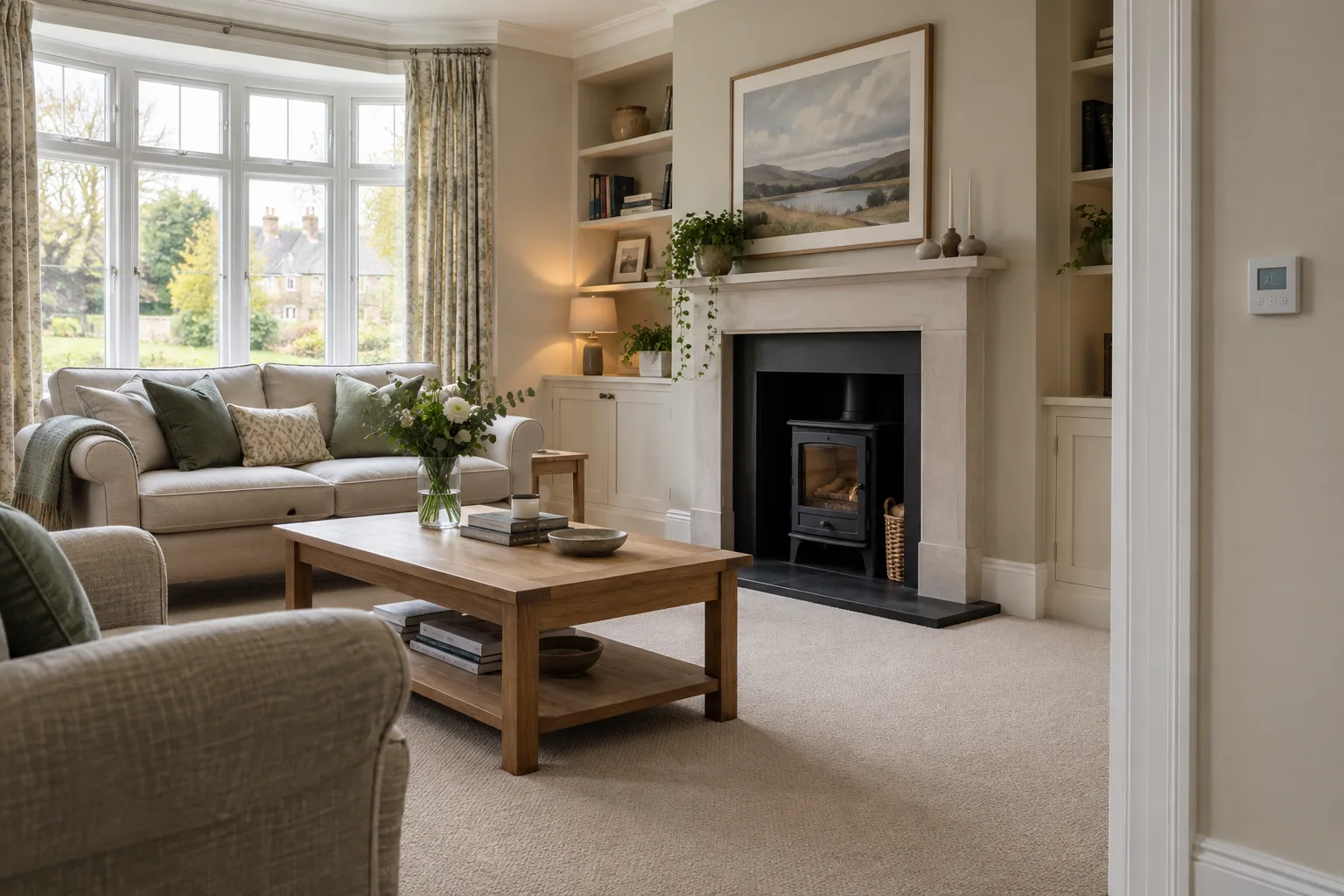
Underfloor heating can make a carpeted room comfortable, but it does not turn the floor into a built-in carpet dryer. The system, carpet, underlay and fitting were selected to work together within particular temperature limits. Before cleaning, tell the technician that heating is beneath the carpet and share any floor-covering or system guidance you have. The cleaning method and drying plan should fit the whole installation.
There is no universal instruction to turn every system off for a fixed number of hours. Different electric and water-based systems have different controls, and manufacturers may give specific advice. What matters is avoiding extreme heat, excessive moisture and assumptions that a warm surface proves the underlay is dry.
Tell the cleaner what is under the carpet
Explain whether the room has electric underfloor heating or a water-based system, and whether the floor has a thermostat or a separate controller. Share the carpet product, underlay and installation date if known. A professional may also need to know about recent repairs, temperature faults, a cold patch or a past leak. An older installation without records deserves a more cautious discussion, not a guess about what lies beneath.
The Carpet and Rug Institute’s residential installation standard says heated floors need special consideration in selecting carpet, cushion, installation method and adhesive. It sets a maximum radiant-heated substrate surface temperature in its standard. That is an installation specification, not a recommendation for a homeowner to raise a thermostat to that number during cleaning. Follow the actual system and flooring manufacturer’s limits.
If a fitted carpet edge or threshold needs lifting for another reason, make sure a fitter knows that heating components may be present. The CRI standard cautions about fixing gripper and transitions without certainty about the location and depth of those components. A carpet cleaner should not be expected to alter the floor installation or investigate it by lifting material.
Preparation before the appointment
Check the heating controls and any written care instructions ahead of time. If the system has a fault, arrange heating-system advice rather than using cleaning as a test. Tell the cleaner the normal room temperature and whether the heat runs continuously or on a schedule. If the manufacturer’s instructions recommend a particular setting around wet work, plan how to achieve it before the technician arrives.
Clear small items and define which furniture will move. Heavy furniture can obstruct airflow and create protected patches, so the agreed cleaning area matters. A room that feels warm may still have high humidity if doors are closed and ventilation is poor. Consider safe window opening or suitable mechanical ventilation when the weather permits. Do not leave the heating on a high setting simply to force water out of the carpet.
If the carpet was installed recently, check whether the installer set a waiting period before wet cleaning or changing system settings. Adhesives, underlay and carpet backing may have product-specific requirements. A label or manufacturer reply is better evidence than a general online rule. Share any limitations with the cleaning company before it chooses the method.
Heat and drying are different controls
If an appliance leak has soaked the floor, follow the steps for a saturated carpet and have the affected layers assessed; the heating system alone cannot establish that they are dry.
A warm floor can influence evaporation, but moisture leaving the carpet enters the room air. Drying also needs airflow and management of humidity. The Carpet and Rug Institute’s residential cleaning standard advises ventilation and suitable room conditions after a clean. It cautions against closing up a room with a wet carpet. A high thermostat setting without ventilation may leave warm, humid air around the floor.
Ask the cleaner how much moisture the proposed method uses and how they will recover it. Suitable extraction and controlled application matter more than relying on the heating to remove excess water later. A carpet with a natural backing, weak seam or uncertain underlay may need a different method or a decision not to wet clean that area. Underfloor heating does not cancel a material risk.
If the carpet feels wet long after the visit or develops a new odour, contact the cleaner. Do not assume that the system will eventually dry every hidden layer. A leak beneath the floor or a saturated underlay is a different problem from ordinary post-cleaning dampness. If water has entered electrical controls or a heating component is suspected to be damaged, seek the relevant qualified help.
Temperature and material limits
Carpet and cushion provide thermal resistance, which is part of the original heating design. The CRI’s heated-floors bulletin discusses the combined effect of carpet and cushion on heat transfer. A thick replacement underlay can change how the room responds even if the carpet face stays the same. Cleaning does not alter those design limits, and a cleaner should not promise faster drying simply because the room has underfloor heat.
Some adhesives and backings may be affected by inappropriate heat or wetting. A fitter or manufacturer can answer product-specific questions about installation. The cleaning technician can assess the visible carpet and choose a suitable cleaning approach, but should not diagnose the hidden heating layout from surface warmth. If a thermostat is inaccurate or the room overheats, resolve that separately.
Our carpet cleaning service can be planned for a heated room when the system and carpet details are shared. Ask what preparation is needed, whether the heating should remain at its normal moderate setting or follow a manufacturer instruction, and how drying will be checked. Clear answers are more useful than a blanket claim that “warm floors dry instantly”.
After cleaning
Follow the technician’s ventilation and access advice, and keep the room at the settings agreed with the system and flooring guidance. Avoid replacing heavy furniture onto a damp patch. Furniture feet can transfer colour or create deeper impressions when the pile is wet. If temporary protective tabs are used, ask when to remove them.
Check the carpet after it has fully dried, not immediately while the pile is freshly groomed. A warm surface does not prove a thick underlay is dry, but ordinary cleaning should not leave a floor saturated. If you have any concern about persistent moisture, contact the cleaner promptly with details of the room temperature, ventilation and what the carpet feels like. A specialist may need to assess hidden layers if there was a spill or leak rather than routine cleaning.
Keep the care instructions for both the carpet and the heating system together. They will help at the next cleaning appointment and if the carpet is replaced. A considered plan uses the right cleaning method, moderate system operation and ventilation, with the manufacturer’s limits guiding any adjustment.