
Receipts and Condition Notes for Tenancy Carpet Cleaning
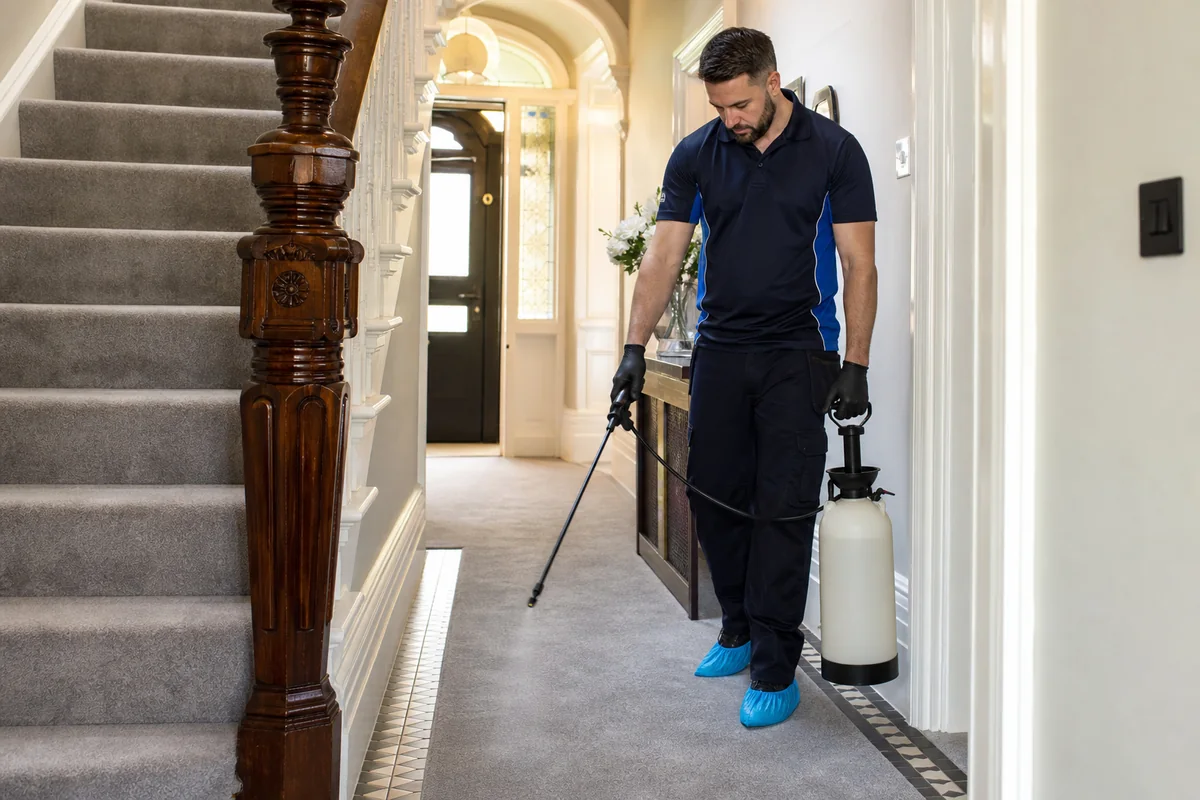
A carpet-cleaning receipt is useful at the end of a tenancy, but it is only one part of a reliable condition record. It shows that a service was invoiced; it cannot by itself show what the carpet looked like before or after, whether a particular mark was removable, or how much wear developed during the tenancy. Pair the receipt with an itemised scope, dated photographs and the check-in inventory. That combination lets tenants, landlords and agents discuss the actual carpet rather than argue from a single line on an invoice.
What a receipt should make clear
Keep the provider’s name, service date, property address and description of rooms or areas treated. If stairs, spot treatment or odour work were separate, the document should identify them rather than say only “cleaning”. Ask for any agreed limitation to be recorded, such as a bleach mark, worn traffic lane, weak seam or area left untreated for safety. A cleaner need not write a legal report, but a factual note about the work performed is useful. Store the original electronic receipt so dates and wording are not lost in a cropped screenshot.
Check that the invoice matches the booking. If the quote covered two bedrooms and a landing but an extra rug was added, preserve the revised scope and price. Conversely, if a room was inaccessible or a fragile material could not be treated, do not present the original quote as proof that it was cleaned. A receipt describes the service, not the entire condition of the property. This distinction is especially important when several trades attend during move-out and each leaves a different document.
Match photographs to the inventory
Find the signed check-in description and images for each room. The Tenancy Deposit Scheme’s inventory guide explains the value of clear, detailed evidence at both ends of a tenancy and the need to account for fair wear and tear. A photograph of a dark corner without a room reference or date is less useful than a wide view followed by a close detail. Record the same doorway, window and traffic route before and after cleaning. Use similar light and camera angles where practical, and avoid filters that alter apparent colour.
Wait for the carpet to dry before making final comparison photographs. Damp pile can appear darker, while grooming can make one direction look lighter than another. Take close images of any remaining mark, but also show the surrounding carpet so texture and location can be judged. A pale patch may be colour loss; a darker route may contain soil and flattened pile. Cleaning can improve one cause without changing the other. Our guide to carpet stain-removal limits explains why colour loss and fibre damage can remain after soil has been removed.
Write condition notes in ordinary language
Describe what you can see and feel rather than assigning blame or a technical diagnosis you cannot support. “Grey traffic path from doorway to sofa, flatter pile than beneath the table” is more useful than “carpet ruined”. After cleaning, “soil reduced, pile remains flat” records the change without claiming the cleaner failed or the tenant caused every difference. Note burns, loose joins or missing fibres separately from removable soil. If a pet accident or leak occurred, record when it was reported and any treatment history. That history may explain a remaining mark or smell.
Avoid using an invoice as a substitute for a condition note. A professional clean may have been appropriate even when an old stain remains. Likewise, a receipt cannot prove that a carpet is free of new marks after movers carry boxes across it. If the carpet was cleaned before final move-out, note later traffic and take another photograph at handover. A chronological record helps distinguish the condition at the time of cleaning from the condition when keys were returned.
Keep scope and price evidence together
The booking email should list rooms, stairs, spot or odour requests and any access assumptions. Our carpet cleaning service page explains the general work, and the price guide provides starting figures. A final invoice may differ if the actual room size, stairs or condition changed the agreed scope after inspection. Retain the revised approval if that happened. For a dispute, it is more helpful to show what was agreed and completed than to argue from an unexplained total.
If a cleaner advises that a carpet edge needs a fitter or that underlay may be affected by a spill, keep that advice separate from the cleaning invoice. Repair and replacement may involve different providers. A cleaning company cannot settle whether a tenant, landlord or another party should pay for those tasks. Deposit schemes and the available evidence govern that question. The record should allow an adjudicator or the parties to compare starting condition, normal use, actual damage and cleaning work without inflating the claim.
Make the final pack easy to follow
Create one folder for the check-in inventory, dated original photographs, maintenance reports, cleaning quote, receipt and dry after photographs. Name images by room and date rather than relying on an automatic camera filename. Keep the unedited originals as well as any annotated copies. If several people were present, note who supplied the information and when. A simple chronological list can show a reported spill, the cleaning appointment and the check-out inspection without a long narrative.
Share only the relevant documents with the party who needs them, through the normal tenancy process. If there is a disagreement, point to the specific room, image and invoice line rather than claiming that a receipt settles everything. The strongest record is modest and complete: it states what the carpet was like at the start, what happened during the tenancy, what cleaning was purchased and what remained visible after drying. That is the practical value of receipts and condition notes used together.
For joint tenancies, ask one person to keep the original files and share copies with the others before accounts or phones are closed. A paper receipt can be scanned, but keep it readable, including any notes on the reverse. If a manager later asks which bedroom was cleaned, the room names in the scope and photo filenames should answer without guesswork. Where a cleaner returns for a follow-up, retain that second date and the reason for the visit. The record then shows the sequence of work rather than suggesting that an earlier invoice covered a later problem.