
Carpet Cleaning for Flats and Apartments
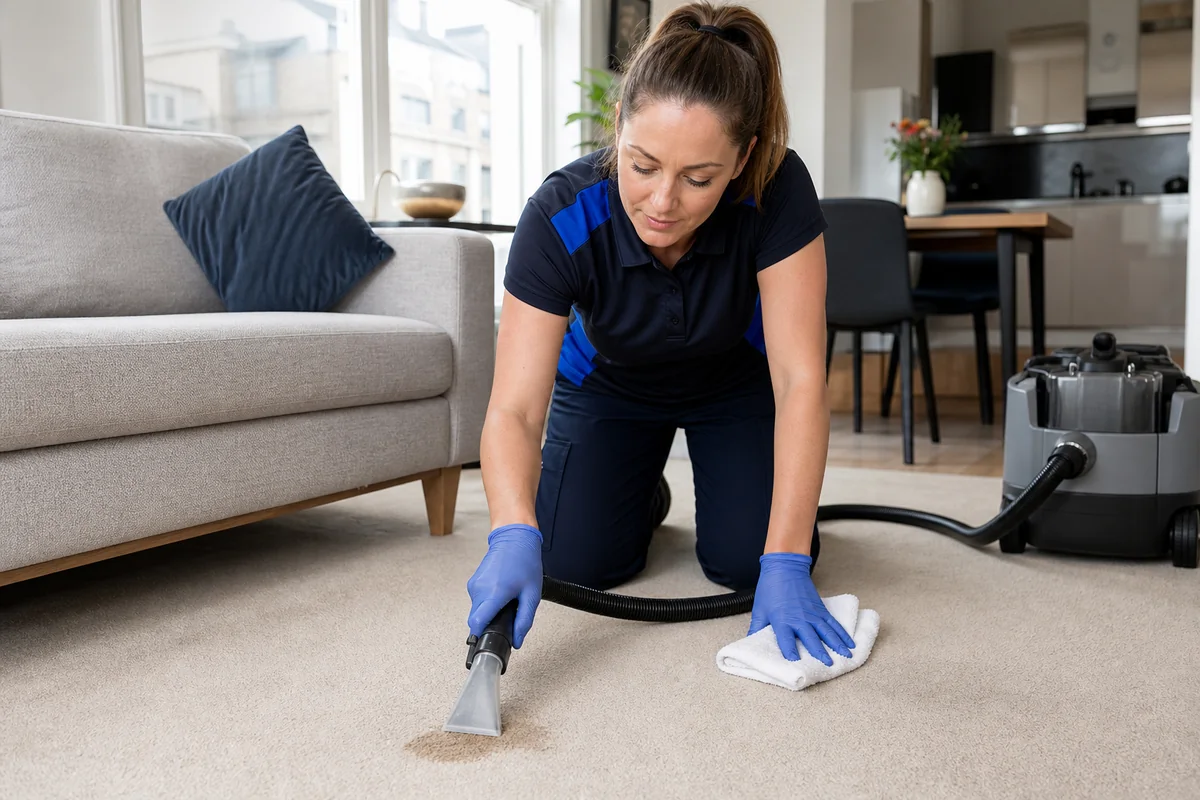
Carpet cleaning in a flat needs an access plan as well as a cleaning plan. Equipment must travel from a vehicle to the room, sometimes through controlled parking, lifts, corridors and shared doors. The carpet may then dry in a compact space with limited ventilation. None of this makes a professional clean impossible, but it changes what the provider needs to know before quoting. Give the company the floor level, route, building rules and room condition so it can choose suitable equipment and a realistic appointment window.
Map the route before booking
Identify the legal loading place, distance to the entrance and whether a lift is available. Measure or describe a narrow lift or staircase if bulky equipment might be difficult to move. Ask the building manager about booking lifts, concierge hours and rules for hoses or water disposal. Do not assume a vehicle-mounted system can park beside the block; a portable system may be more practical. The cleaner should decide what equipment can be brought in safely and how to protect shared flooring and doors along the route.
Tell the provider whether electricity and water are available in the flat. In a vacant property, utilities may be off even though keys can be collected. Confirm who can open communal doors and who will stay contactable if the cleaner encounters a problem. A short parking window can put pressure on the visit, so disclose it before a price is agreed. If the cleaner cannot legally stop near the building, ask how equipment and waste will be handled rather than assuming a last-minute workaround.
Describe the carpet and rooms accurately
List room dimensions, halls, landings and any internal stairs. Note furniture that will remain, especially beds and large sofas. A small flat can still contain a long corridor and several awkward corners. Photograph visible stains, worn traffic lanes and any loose seams. Tell the cleaner about pet accidents, leaks or previous household products. Those details may affect whether ordinary carpet-face cleaning is enough. A moisture-sensitive fibre or damaged backing may require testing and a different method.
Our carpet cleaning service page describes the general work, and the price guide provides starting figures. A flat quote should account for actual area, access and condition. If a loose rug sits over the fitted carpet, list it separately; rug dyes and backing may need different assessment. Agree what will be cleaned under movable furniture and what is excluded beneath heavy items.
Protect shared spaces and neighbours
Keep the corridor and fire route clear while equipment is brought in. Ask the cleaner how they will manage doors, hoses and noise within building rules. Notify a concierge or manager if required, but do not promise neighbours a guaranteed finish time before the provider has assessed the work. A named contact can help resolve lift access or a loading issue without leaving equipment in a shared passage. If the flat is above another property, report any existing water leak before routine carpet cleaning; the textile service should not conceal an active building problem.
The working area inside the flat also needs a safe route. Clear small items and cables, keep pets away and plan where residents can wait. A hose or portable machine in a compact hallway can temporarily block access to another room. Ask which room will be cleaned first and when a safe path will reopen. Heavy furniture should be moved only by people equipped to do so. Good planning protects the carpet, building and crew while avoiding a rushed sequence driven by an avoidable access problem.
Drying in a compact property
Ventilation may be limited by small windows, weather or building rules. Ask how air can move through the flat and whether a safe dehumidifier arrangement is useful. Do not press a heater or hairdryer against damp carpet to make it usable sooner. Drying depends on fibre, backing, pile thickness, humidity and the amount of moisture used. A surface can feel dry before a thick area near a wall. Ask for specific guidance on light traffic, furniture and when a rug can return. Our guide to carpet drying time explains why a fixed number of hours is unreliable.
In an empty flat, assign someone to check the rooms later rather than closing every window and locking up immediately. In an occupied flat, keep a dry route to essential facilities if possible. Plastic laid over damp carpet can slow drying and hide a problem; use only temporary protection advised by the technician. If the carpet remains damp beyond the expected range or a smell develops, contact the cleaner and describe the room conditions. A leak or trapped moisture may need separate investigation.
Handover and follow-up
Before the cleaner leaves, review what was treated, what marks remain and any access-related exclusion. Photograph the result after the carpet dries in comparable light to the starting images. A dark lane may contain wear as well as soil, while an old dye change may remain after careful treatment. Keep the quote and invoice with the property record if the flat is rented or being sold. Do not replace heavy furniture or a rug before the carpet is ready just to stage a handover photograph.
A flat clean succeeds when the method suits the carpet and the logistics are solved in advance. Give the company a route from vehicle to room, accurate sizes and a realistic drying plan. Those details let the technician spend the appointment on inspection and cleaning rather than negotiating a lift or searching for a working socket. They also give residents and neighbours a clear expectation of what will happen in the shared building.
Check building rules before agreeing an appointment time, particularly if equipment noise is restricted in the evening.
If the flat is part of a tenancy handover
Schedule the visit after moving and dusty repairs where possible, but leave a buffer for drying before the inventory. Keep the check-in description, dated starting photographs and the cleaner’s invoice together. A receipt records the service, while the dry after photographs describe condition. The Tenancy Deposit Scheme’s inventory guidance recognises the importance of detailed comparison and fair wear and tear. A cleaner cannot decide a deposit issue or make an old carpet new. They can document the areas treated and any remaining wear or colour change, giving the parties a more useful record than an unqualified “professionally cleaned” statement.