
Can Berber-Style Carpets Be Professionally Cleaned?
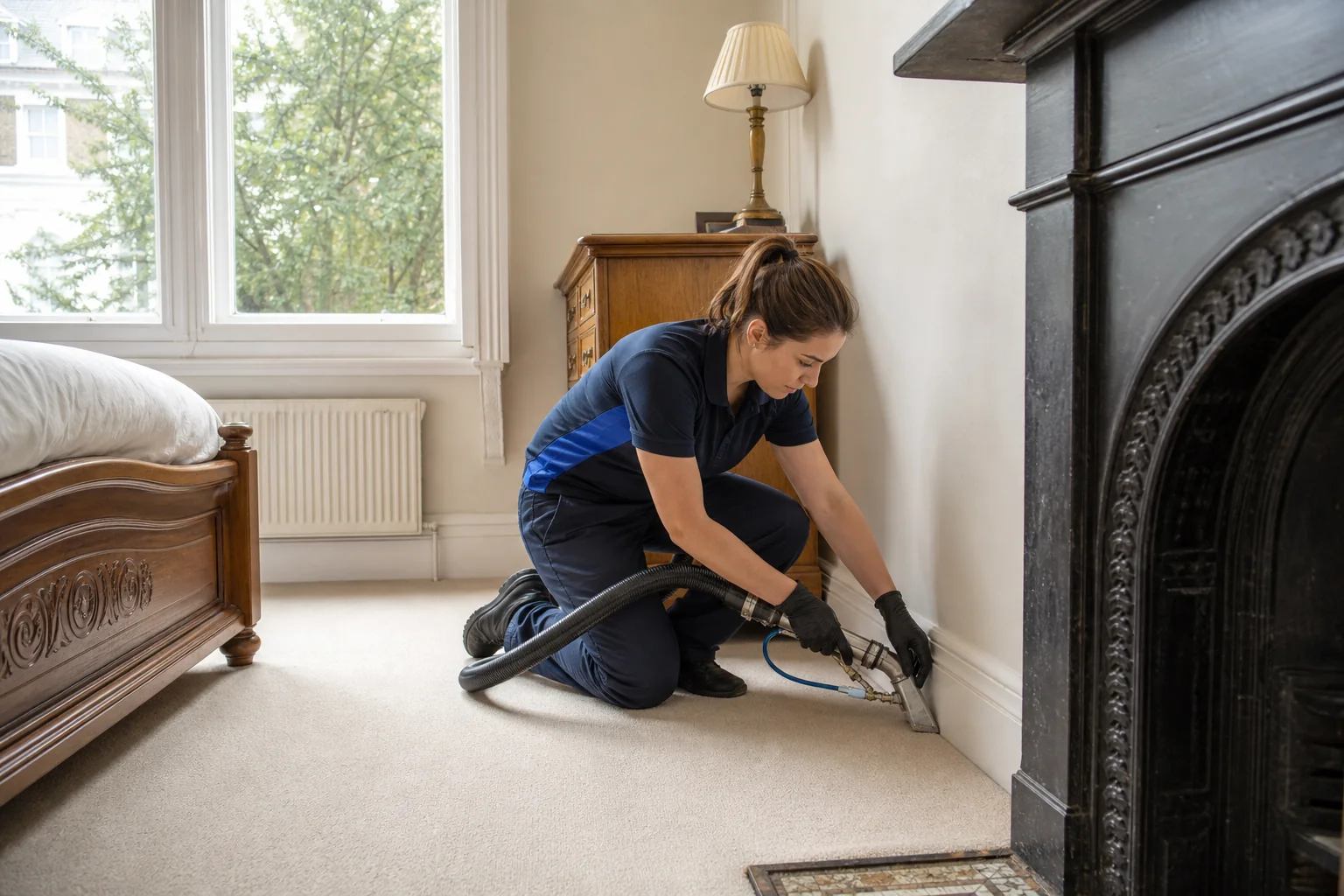
Direct answer: Berber-style carpet can often be professionally cleaned, but 'Berber' describes appearance and construction rather than one guaranteed fibre. The cleaner should identify the material, check loops and backing for damage, then choose equipment and moisture levels that suit the actual carpet.
First clarify what Berber means here
People use the term for several carpets with looped or flecked appearance. One may be wool, another synthetic, and a third a blend. The pile can be tight or relatively open; the backing and dye system can differ again. That variation means a cleaning method cannot be selected from the style name alone. Look for product records, a label or spare offcut and show them to the technician. Ask them to examine the installed carpet for wear, previous repairs and any loose loops.
The flecked pattern can conceal dry grit while making a local stain look less obvious from a distance. Traffic soil may gather in a route and become apparent only under certain light. A cleaner should inspect the whole room and compare busy and sheltered areas. If the traffic lane is also compressed or abraded, soil removal may improve it without restoring the original pile height. Set that expectation before choosing a stain treatment for what may be structural wear.
Loops need protection from catching tools
An exposed loop can snag on footwear, furniture or a powered vacuum brush. Tugging it can pull yarn along a row and widen the damaged area. Do not cut it flush or pull it tighter without advice from a fitter. Show the cleaner any loose yarn before equipment is used. They may need to change the vacuum head, avoid a brush on that section or recommend repair first. A routine clean should not turn one visible snag into a run through the carpet.
Edges, stairs and joins take particular strain. A Berber-style stair runner may have a bound edge or a join at a turn. If it is lifting, repair can be more urgent than soil removal. A cleaner should document the condition and agree which areas are safe to treat. The guide on why construction affects carpet cleaning explains why edge condition changes the method. Gentle soil removal should not pull on a vulnerable loop.
Fibre and backing guide the chemistry
Wool, nylon, polyester and polypropylene do not have identical cleaning behaviour. Dye stability, finish and backing can be more decisive than the broad fibre family. A natural backing may require particular moisture control; an aged bond can be vulnerable if saturated. The technician should consult manufacturer care information where possible and perform appropriate tests. An inconspicuous test can show colour movement or an adverse reaction, though it cannot guarantee every part of a patterned carpet will behave alike.
Avoid using household bleach, washing-up liquid or a strong all-purpose product because the carpet looks hard-wearing. A residue may attract soil, and a discoloured loop can stand out against the flecked background. For a fresh spill, blot gently with plain white absorbent material and work from the edge inward. Do not scrub the loops. Tell the cleaner what caused the spill and which products were already applied. An accurate history is more useful than assuming the textured surface will hide any mistake.
Choosing an appropriate professional method
Dry soil removal matters because fine grit can sit between loops. The vacuum setting should suit the carpet and any loose yarn. Further treatment depends on soil type, fibre and backing. A sound synthetic carpet with oily traffic soil may need a different process from a wool loop with a small drink spill. Ask what product will be used, how it will be removed and how much moisture the carpet and backing can tolerate. A method described as 'low-moisture' still needs testing and correct use.
WoolSafe cautions against aggressive brushing on some coarse loop wool carpets and recommends pre-testing before wet cleaning. The Carpet and Rug Institute's residential standard treats inspection, compatible products and drying as linked parts of maintenance. The operator's care matters as much as the machine. A cleaner who can explain a specific method for this carpet offers more reassurance than one who says every Berber carpet receives the same treatment.
Drying and the finished look
After treatment, follow the cleaner's ventilation and return-to-use advice. Avoid replacing furniture on a damp carpet without appropriate protection. A looped surface may show a temporary direction change after grooming, while a worn traffic route may remain visibly different even when clean. Judge the result after drying and in similar light to the starting photographs. If a new snag, sticky patch or persistent wetness is present, report the precise location promptly.
A dense pattern can make a clean look more even than it feels; run a gentle hand over the area only once dry and safe to inspect. A hard or tacky patch may indicate residue or previous product history that needs attention. A pale loop may reflect fibre or dye damage rather than dirt. Repeating a cleaning pass should follow an explanation of the cause, not a desire for absolute visual uniformity.
Prepare a useful quote
Ask how the cleaner will handle a loose loop if they discover one after furniture is moved. They may isolate the area, change tools or recommend a repair before continuing. This contingency matters in a furnished room because the carpet under an item may not be visible at quotation stage. Agree that a vulnerable area can be left untreated rather than worked aggressively merely to satisfy a 'whole room' label. Record the exception at handover so the remaining strip is not mistaken for an oversight.
Maintenance after the clean should be equally specific. Use the vacuum head and setting recommended for the actual loop construction, remove entrance grit regularly and inspect the first signs of a snag. Avoid pulling a yarn to see whether it is loose. If a chair repeatedly catches the pile, change the source of friction where practical. These small actions can protect the result longer than choosing another detergent for the next visit.
Describe the number and size of rooms, the carpet's product name if known, visible snags, loose edges and particular stains. Mention stairs, heavy furniture and earlier cleaning. The carpet cleaning service can then assess a suitable plan; the price guide provides starting information. Ask whether a repair should precede cleaning and whether targeted stain work is included.
The answer to the original question is usually yes, subject to the condition of the individual carpet. The more useful question is which process removes its soil while protecting its loops, dyes and backing. A careful inspection and clear discussion of limits let the homeowner book that work with realistic expectations.