
Preparing Furnished Rentals for Professional Cleaning
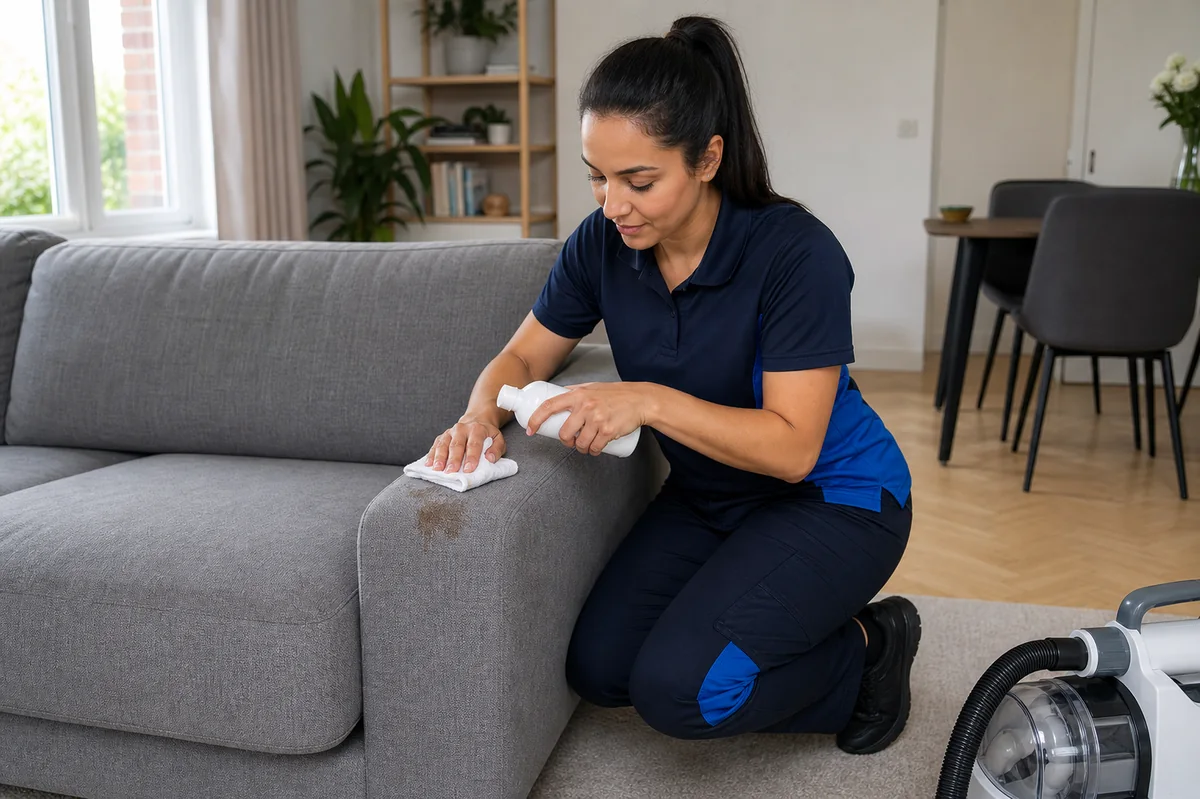
A furnished rental needs more preparation for professional cleaning than an empty room because beds, sofas, chairs and loose rugs affect access and drying. The goal is to let the cleaner inspect each textile, work without damaging furniture or finishes, and leave every cleaned item in a safe position to dry. A useful plan begins with an inventory of what remains, who can move it and which surfaces are included in the booking. It should also recognise that a sofa and fitted carpet may need different methods even when they are in the same room.
Decide what is staying and what is being cleaned
Walk through the property with the check-in inventory or current furniture list. Count sofas by seats or sections, dining chairs by upholstered parts, rugs by size and mattresses by bed. Identify fitted carpet separately from a rug laid over it. A general instruction to “clean the lounge” can omit a fabric chair, a loose cushion or the carpet beneath a rug. Photograph each item and its care label where accessible. Tell the provider about marks, odours, worn seams, unstable colour or earlier products so the quote reflects the condition rather than just the quantity.
Confirm ownership and permission before including an item. A tenant’s rug or armchair should not be handled merely because it is still in the property; a landlord’s furnished sofa may have manufacturer care instructions that need to be supplied. If several people coordinate the handover, name one person who can approve a revised scope. The cleaner may discover a fragile trim or failing backing that makes the planned method unsuitable. The decision should not be made by whoever happens to answer the door without authority.
Clear access without risking injury
Remove loose belongings, paperwork, fragile ornaments, cables and small boxes from the work areas. Empty the space immediately around sofa arms and legs so the cleaner can inspect them. Take bedding off any mattress to be assessed. If a rug can be lifted safely, check whether the floor below is dry and free from trapped grit; do not drag a heavy or delicate rug across a wood floor. Heavy furniture is different. Do not move a wardrobe, bed frame or large sofa alone to make a room look ready. Agree in advance what can be moved and what will remain in place.
Make the route from the entrance clear for equipment. Explain stairs, lifts, loading limits, parking, concierge hours and whether power and water are available. In a vacant rental, utilities may be disconnected earlier than expected. Check them before the appointment. Protect freshly painted skirting, vulnerable thresholds and floor transitions from unnecessary contact. If a contractor is still sanding or drilling, finish that work and arrange proper dust cleanup before the final textile clean. Fresh dust can settle back onto the carpets and upholstery after the technician leaves.
Keep material differences visible to the cleaner
Do not hide a mark beneath a cushion or turn a rug over simply to present the “good side”. Point out spills and previous treatment, including rental-machine cleaning, bleach, detergent, odour spray and home remedies. These details help with fibre and dye testing. A carpet may tolerate a process that a velvet chair or natural-fibre rug does not. A zip on a sofa cover does not prove it can be machine washed. A mattress may have a removable-looking cover that the maker says should stay in place. Keep the actual labels available and allow inspection to guide the method.
Our carpet cleaning and upholstery cleaning pages describe different services; the price guide gives starting figures. A combined quote should list each item and any specialist stain or odour work separately. Ask whether cushions will be treated on both sides, whether a rug needs off-site assessment and what will be left untreated if tests show a risk. A clear scope prevents the cleaner from being pressed to apply one process to every fabric merely because they share an address.
Plan where each item will dry
Leave open floor space for removable sofa cushions to stand with airflow. Do not stack them wet against each other or return them to the frame prematurely. A mattress may need to stay uncovered, and a rug should not be replaced over damp carpet or a damp wooden floor. If carpet is cleaned, allow a safe route so the property manager does not need to cross wet areas repeatedly to check other rooms. Ventilation, room temperature and humidity affect the drying period; an empty property with shut windows and heating off may dry slowly.
Ask the cleaner for separate reuse guidance for carpet, upholstery, rug and mattress. Do not assume one time applies to all of them. Our guide to positioning sofa cushions while they dry explains why the inside of a cushion matters, while the guide to returning a cleaned rug covers the rug and floor beneath. If a viewing or new occupancy is planned, leave a buffer for each material to reach its actual dry state before furniture or bedding is restored.
Finish with a factual handover record
Take condition photographs before work and after everything is dry, using similar light. Keep the quote, invoice and notes of any limitation together with the rental inventory. The Tenancy Deposit Scheme’s inventory guidance stresses clear records of condition and cleanliness. A cleaning invoice documents work, but does not turn a worn carpet or sun-faded sofa into a new one. Note what was treated and which marks or damage remain. This protects both the owner and occupant from vague claims at handover.
Finally, agree who closes windows, turns off utilities, replaces cushions and locks the property after the drying check. The technician may have finished the cleaning, but a vacant furnished rental still needs someone to manage the room until each textile is ready. Good preparation is not about moving every object out of sight. It is about giving the cleaner accurate information, safe access and enough space and time for the materials to dry without being damaged by the next handover activity.
If the furniture layout will change after cleaning, tell the company which pieces are being collected and which are staying. A clean sofa moved into a dusty storage room can be soiled again, while a delivered bed can cover carpet before it has dried. Coordinating movers and cleaners avoids these conflicts. It also lets the final condition photographs show the items in positions that can be compared with the inventory, rather than a temporary arrangement made only for the appointment.