
Carpet Cleaning for Homes with Pets
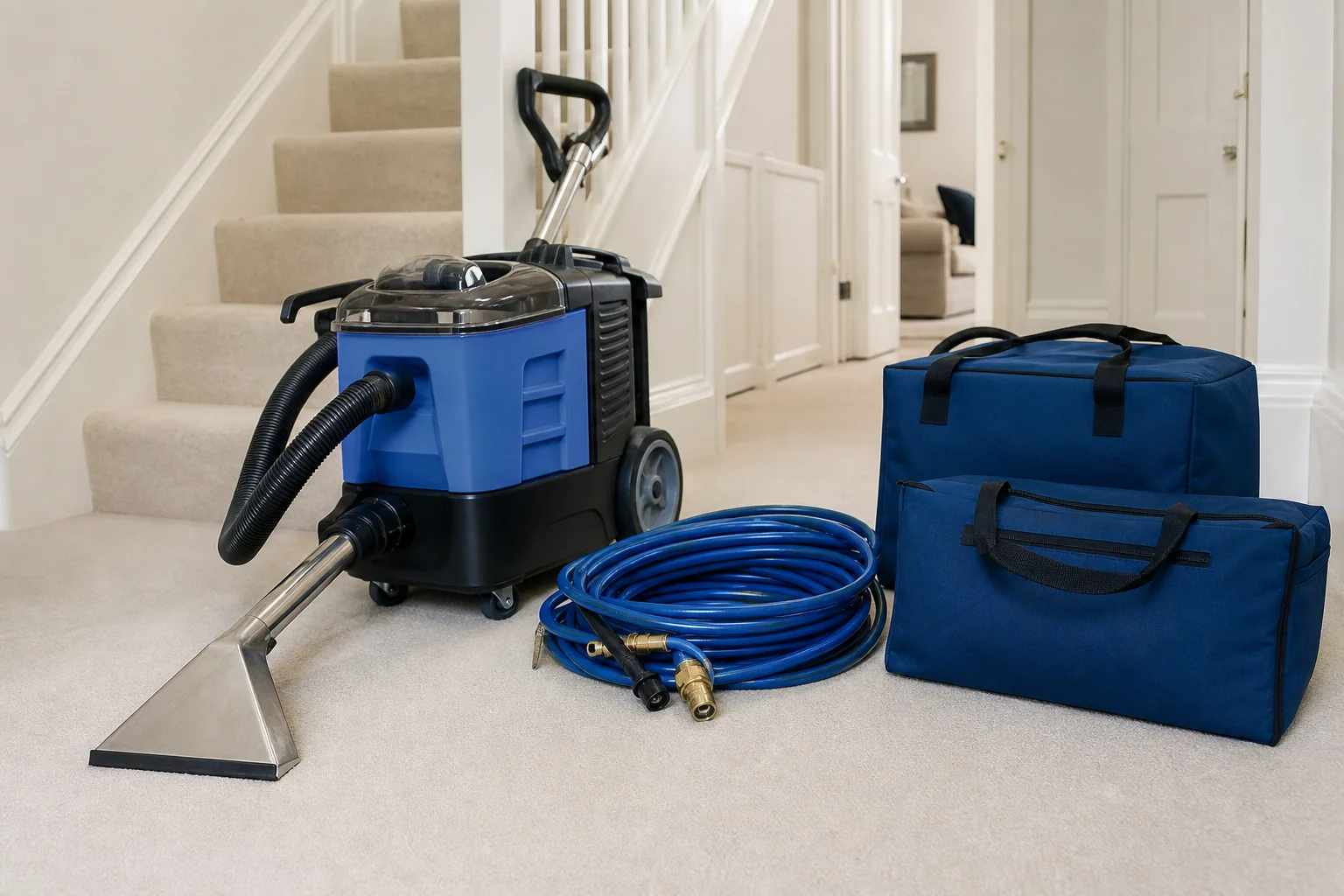
Living with pets changes the kind of soil a carpet receives, but it does not make every mark the same. Loose hair and grit can often be managed through suitable vacuuming; muddy paw prints need drying before removal; a urine accident may pass through the pile into backing or underlay. Professional cleaning can remove suitable soil and improve some marks, yet it cannot restore worn fibres or prove that an inaccessible underlay has been cleared by cleaning the surface. The right plan begins with the actual event and carpet construction.
Keep the carpet maker's care information if available. A loop pile, wool blend and synthetic cut pile may need different vacuum settings and cleaning processes. Pets' claws can snag weak loops, so a powerful brush is not automatically better. Inspect seams and worn areas before asking a cleaner to treat a large room.
Routine hair and tracked-in grit
Frequent suitable dry soil removal keeps loose hair and outdoor particles from being pressed into a busy path. Check the vacuum's tools and settings against the carpet maker's guidance; a stiff beater can damage delicate pile. Clean entrance mats so they do not become a second source of grit. Wipe muddy paws where practical, but avoid making a pet walk over a damp carpet during cleaning or drying.
Look at traffic patterns as well as colour. A favourite route from the door to a sleeping spot can show flattened pile and wear alongside dirt. Cleaning may improve the soil component while the texture remains different. The How Professional Cleaners Treat Carpet Traffic Lanes explains why a dark route is not always removable dirt.
Respond to mud and food separately
Let ordinary mud dry before lifting loose particles with a suitable vacuum, unless the carpet maker gives different instructions. Rubbing wet mud can spread fine soil into fibres. For a fresh food or drink spill, lift solids gently and blot liquid with clean white absorbent cloths. Avoid scrubbing, bleach and a succession of fragranced products. Record what spilled and when so a cleaner can select a targeted approach.
The guide to what to do after a carpet spill covers the safer first response to liquid marks. A pet bringing in contaminated material or a large unknown liquid is a different issue and may need prompt assessment rather than routine spot care.
Accidents can reach below the pile
An isolated recent accident may be easier to assess than repeated wetting in the same place. Liquid can move into backing, underlay and sometimes the subfloor. A surface clean may make the pile look better while an odour remains below. Tell the cleaner where accidents occurred, whether they were repeated, what products were used and whether the floor has been wet. Do not rely on a strong perfume as evidence that the source has gone.
The Why Pet Stains May Affect Carpet Underlay explains this limit. An old, heavily affected underlay may need separate assessment or replacement. Normal carpet cleaning should not be described as sanitising every material beneath the pile when those layers cannot be inspected.
Protect pets during and after a visit
Arrange a safe room away from equipment, open doors and the treated area. Tell the technician if a pet is anxious or likely to escape. Follow the cleaner's instructions before allowing animals back onto damp carpet; paws can track soil onto wet pile, and pets may lick or lie on treated surfaces. Ordinary ventilation helps drying, but keep windows and doors secure for the household.
Do not place bowls or bedding back on damp carpet. Heavy furniture or pet beds can restrict drying and leave marks. Ask when the room can be used again, recognising that fibre, moisture, humidity and airflow affect the answer. If a mark returns once dry, photograph it and note whether there is an odour or a wet feel.
What a professional can reasonably promise
The carpet cleaning service can assess fibres, visible soil, old products, seams and the likely depth of an accident before proposing treatment. It may improve general appearance and selected marks, but permanent wear, dye loss or a deep source may remain. A cleaner should explain whether a small area, a whole room or a separate underlay decision is appropriate.
For a quote, use the contact page to send room dimensions, carpet labels if known, photographs and a clear accident history. The price guide gives starting figures. After cleaning, maintain suitable dry soil removal and keep a record of any recurring issue. A pet-friendly plan treats hair, traffic soil and deep accidents as different questions rather than reaching for one all-purpose product.
A repeated route and one accident
A dog may track grit along the hallway every day and have one accident near a doorway. The traffic lane and the accident should be assessed separately. Suitable vacuuming and entrance care can reduce dry soil in the route; a professional clean may release attached dirt. The accident may have passed into underlay, especially if it was not noticed immediately. Treating the whole hall for general soil does not prove that the underlay at one point is clear. Show the technician the exact location, amount and earlier products.
Protect the drying area
Plan where pets will rest while carpet is treated and drying. A shut room must have water and a comfortable alternative surface, and doors or windows used for ventilation must be secure. Do not return a pet bed to damp carpet, since it can block airflow and transfer soil. If the animal has a habit of revisiting an accident area, keep it away until the underlying source has been assessed. A practical household plan helps the cleaning result last.
An entrance mat or washable runner can reduce some tracked-in soil, but choose one that is stable on the floor and will not become a trip hazard. Keep it clean so it does not deposit grit back onto the carpet. If a pet comes inside wet, let it dry in a suitable area before it settles on a fitted carpet. These ordinary measures reduce the load on professional cleaning without requiring harsh chemicals. Where an accident has reached underlay, however, improved entrance care will not resolve that specific source; it must be assessed on its own.
If the carpet has a visible snag from a claw, point it out before cleaning. Moisture or brushing cannot repair a pulled loop, and aggressive vacuuming may extend it. A fitter or manufacturer may be the right source of repair advice.